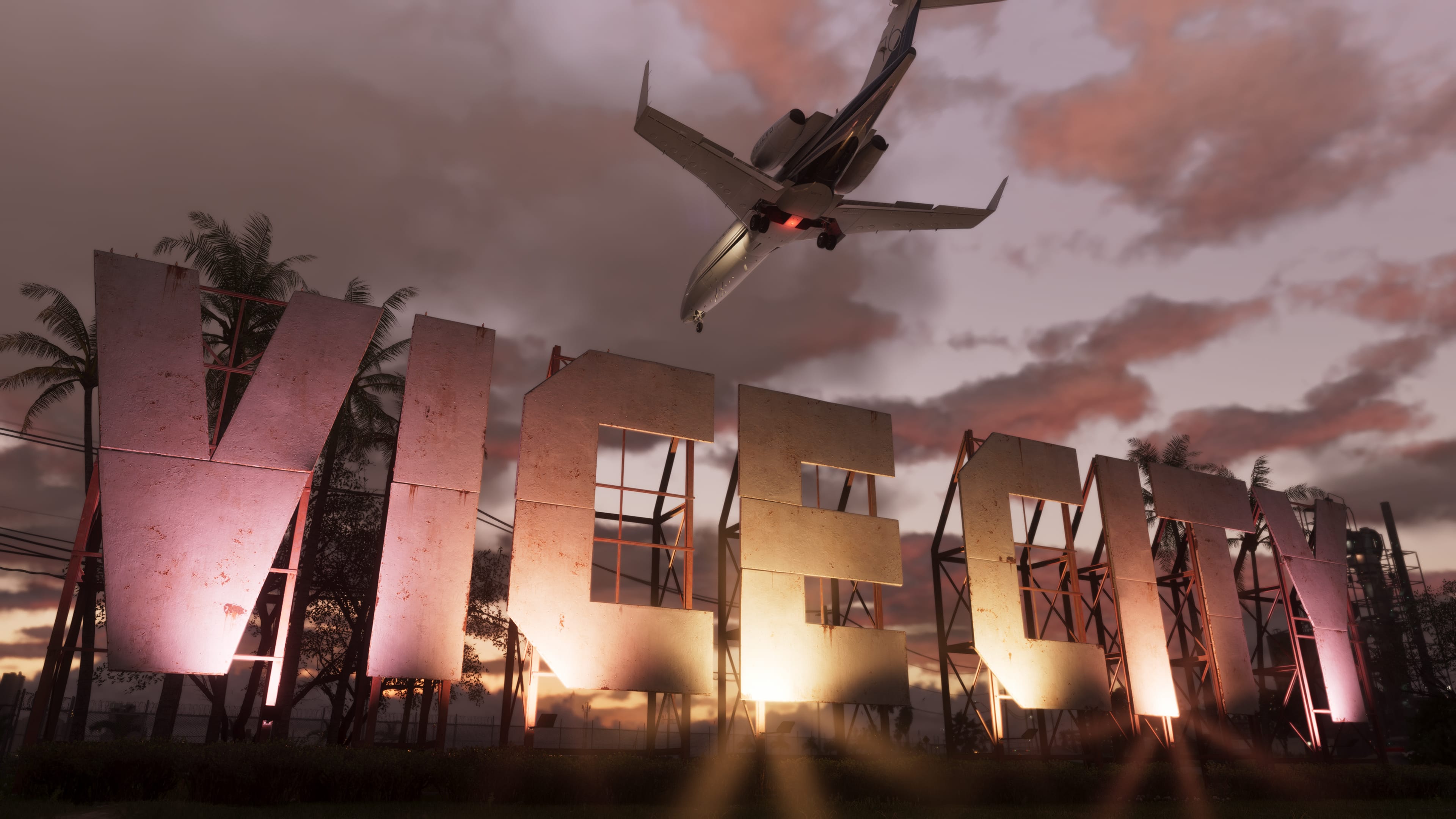
Quick Answer: GTA 6’s setting — the state of Leonida — is reported to be roughly 2.5× the size of GTA V’s San Andreas, which would make it the largest map Rockstar has ever built. But raw square-mileage undersells the real story: Leonida trades GTA V’s city-plus-desert for genuine environmental variety — a dense metropolis, tropical islands, swamps, mountains, and small towns — and that variety matters more than a single number.
Why “Map Size” Is the Wrong Question
When players ask “how big is the map?”, they’re usually conflating two different things: raw area (how many square miles of world exist) and content density (how much there actually is to do across that area). These pull in opposite directions. A vast, empty map feels smaller than a compact, packed one — a lesson the industry learned the hard way through the “bigger is better” era of the early 2010s.
GTA V’s San Andreas was already large by any standard — an entire city (Los Santos) plus countryside, mountains, and desert. But significant portions of it were filler: long stretches of highway and empty desert that existed to make the world feel big rather than to host meaningful content. By contrast, Red Dead Redemption 2’s map was technically comparable in size but felt far more substantial because nearly every acre was hand-crafted with encounters, wildlife, and detail.
GTA 6’s reported 2.5× multiplier is therefore best understood not as “2.5× more walking” but as “2.5× more canvas for Rockstar to populate.” The question that actually matters is what they fill it with.
Leonida: A Whole State, Not Just a City
The single most important fact about GTA 6’s map isn’t a square-mileage figure — it’s that Leonida is a state, not a city. Where GTA V gave you one metropolis plus hinterland, GTA 6 gives you an entire fictional Florida, and that structural choice is what unlocks the variety:
| Region | Real-world analogue | Gameplay it enables |
|---|---|---|
| Vice City | Miami | Dense urban heists, nightlife, traffic |
| Leonida Keys | Florida Keys | Boat chases, bridge runs, island hideouts |
| Grassrivers | The Everglades | Airboats, off-road, wildlife, evasion |
| Mount Kalaga | Upland forest (creative) | Elevation, winding roads, lookouts |
| Port Gellhorn | Industrial port city | Cargo heists, smuggling, industrial chases |
| Ambrosia | Small-town interior FL | Character-driven story, rural contrast |
That table is the real answer to “how big is the map.” Each row represents a biome with its own vehicles, activities, and tone. A swamp airboat chase, a downtown shootout, and a mountain-parachute jump can all happen in the same continuous world — something no prior GTA could claim to this degree.
How It Stacks Up Against Prior Rockstar Maps
Putting GTA 6 in context requires comparing it to Rockstar’s own track record, since the studio competes mainly with itself.
| Game | Setting | Approx. feel | Defining characteristic |
|---|---|---|---|
| GTA: San Andreas (2004) | One state, three cities | Revolutionary for its time | Variety across cities and countryside |
| GTA IV (2008) | Liberty City | Dense, single city | Unmatched urban density and detail |
| GTA V (2013) | San Andreas | City + wilderness | Scale leap; lots of empty desert |
| RDR2 (2018) | Five states | Vast wilderness | Hand-crafted detail per acre |
| GTA 6 (2026) | Leonida | Whole state, varied | Combines GTA V’s scale with RDR2’s density |
The pattern is clear: each generation, Rockstar expands both axes — bigger and denser. GTA 6 looks like the first game to genuinely do both at once, taking the scale ambition of GTA V and applying the per-acre craft of RDR2 across a map with more biome variety than either.
What “2.5× Larger” Actually Means in Practice
A 2.5× area multiplier sounds abstract, so it helps to translate it into player experience:
- Traversal time gets longer. Even with faster vehicles and a fast-travel system, crossing Leonida end to end should take meaningfully longer than crossing San Andreas. Rockstar will need to make travel itself rewarding (scenery, encounters, radio) or risk fatigue.
- Mission variety expands dramatically. With distinct biomes comes the ability to design missions that couldn’t coexist before — a swamp-based stealth mission and a downtown heist no longer require suspending disbelief about distance.
- Discovery becomes the core long-term loop. A map this size can hide secrets, side activities, and random encounters for hundreds of hours — the same compulsion that made RDR2’s world worth exploring for years.
- Performance becomes a genuine engineering challenge, which is where the new RAGE 9 engine and current-gen exclusivity enter the picture.
It’s worth stressing that none of this is automatic. A 2.5× multiplier only pays off if Rockstar fills the added space with reasons to be there — which is precisely why the interiors, NPC systems, and biome-specific activities matter more than the headline number. Size creates opportunity; the underlying systems decide whether that opportunity is ever realized.
The Density Question: Bigger Only Helps If It’s Not Empty
The strongest criticism of map-size one-upmanship is that it produces padding — territory that exists to inflate a number. GTA V’s desert and GTA: San Andreas’s countryside both suffered from this to varying degrees. The risk for GTA 6 is real: 2.5× San Andreas is a lot of space to keep interesting.
There are concrete reasons to be optimistic that Rockstar avoids the trap this time:
- Far more enterable interiors (see our building interiors feature). Density isn’t just horizontal — it’s vertical and indoor. A world where dozens of shops, clubs, and homes are real spaces is denser regardless of square mileage.
- Smarter NPC AI and traffic. Empty worlds feel empty because nothing interesting happens in transit. Better systemic behavior — people, traffic, wildlife, weather — turns traversal into content.
- Biome-specific content. Each region in the table above isn’t just scenery; it’s a gameplay ecosystem. Swamps enable airboats; mountains enable parachutes; ports enable cargo heists. Variety multiplies content without requiring raw size to do all the work.
In other words, Leonida’s size is in service of variety, and variety is in service of content. That’s the right order.
What Could Still Go Wrong
No map is perfect, and a few risks are worth naming honestly:
- Pacing fatigue. If traversal isn’t rewarding, 2.5× becomes a chore. Fast-travel options and genuinely interesting roads will be essential.
- Dilution of detail. Spreading a fixed content budget over more area can leave regions thin. RDR2 avoided this by taking five years; whether GTA 6 hits the same bar everywhere remains to be seen.
- Online considerations. A huge map is great for single-player exploration but can fragment a multiplayer population across empty distances. GTA Online 2’s design will need to concentrate activity thoughtfully.
The Bottom Line
“GTA 6 is 2.5× bigger than GTA V” is the headline, but the substance is that Leonida is the first Rockstar world to combine true generational scale with genuine biome variety and modern interior density. If the execution matches the ambition, the result won’t just be the biggest GTA map — it’ll be the most usable open world the studio has built, and a strong candidate for the most detailed game world ever made.
For the entry-level facts, see our Leonida location database entry; for the systems that make a world this size worth exploring, see our building interiors and dual-protagonist features.
Note: The 2.5× figure is widely reported but not officially confirmed by Rockstar with a precise square-mileage. Treat exact numbers as estimates; treat the directional claim — “the largest Rockstar map yet, with major biome variety” — as well-supported by trailers and official reveals.