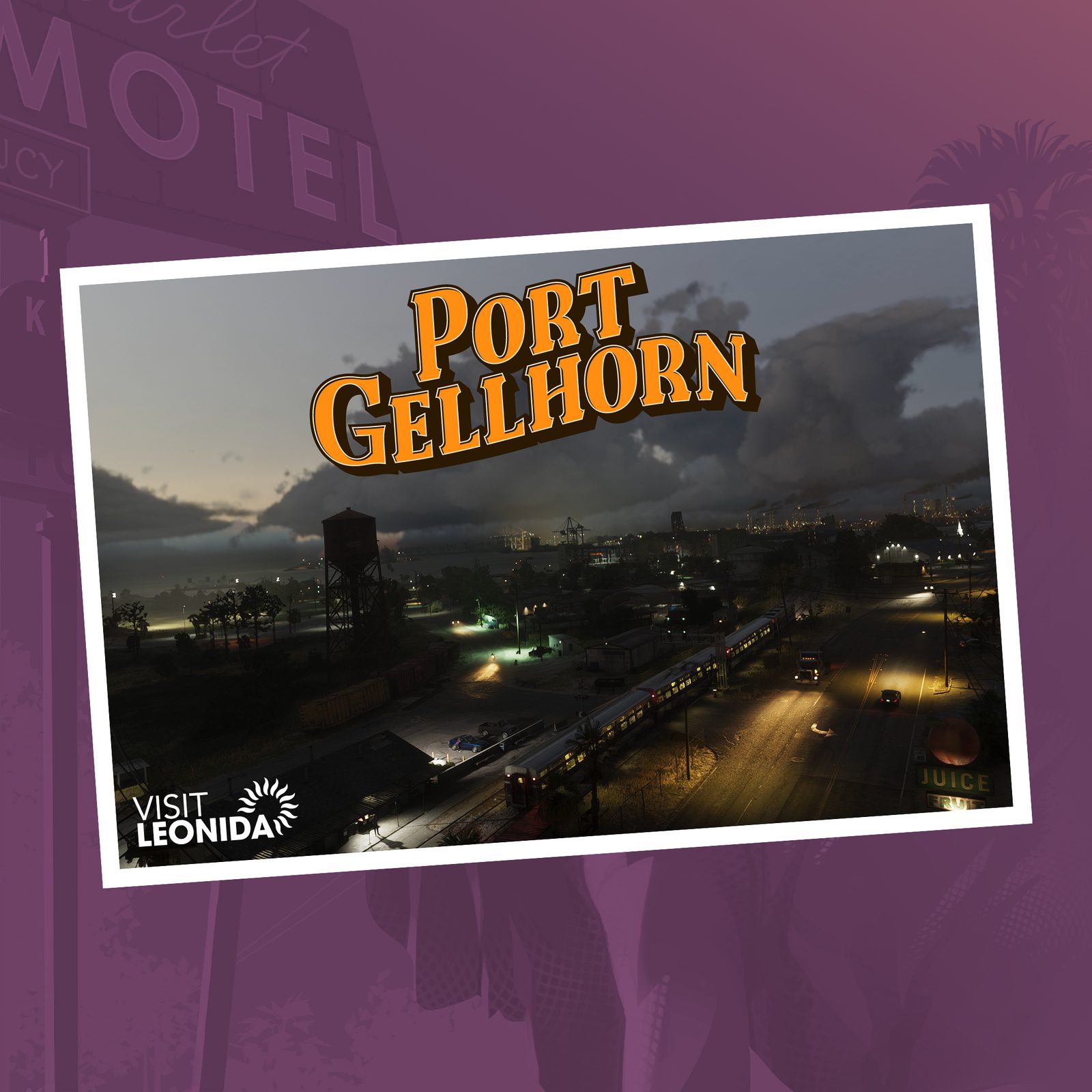
Quick Answer: An Aftermath article titled “Grand Theft Auto VI, The Last Blockbuster” argues that Rockstar’s upcoming open-world epic may be the final game of its kind—a monolithic, record-shattering release in an industry increasingly fractured by subscription services, short-form engagement, and risk aversion. While the piece is an editorial, its thesis carries weight: GTA 6, launching November 19, 2026 on PS5 and Xbox Series X|S, represents a bet on traditional blockbuster gaming that could either reaffirm the model or mark its twilight. In this analysis, we expand on the article’s claims, add historical context from past Rockstar releases, and explore what this means for players.
The Rise of the Gaming Blockbuster
The term “blockbuster” originates from Hollywood—a film so expensive and heavily marketed that its box office success determines a studio’s year. Rockstar Games has applied this model to gaming more successfully than any other developer. Grand Theft Auto V (2013) cost approximately $265 million to develop and market, making it the most expensive game of its era. It went on to sell over 200 million copies, generating $8 billion in revenue. Red Dead Redemption 2 (2018) pushed even further, with reported costs exceeding $500 million and a development cycle of eight years.
Fast-forward to 2026: Grand Theft Auto VI isn’t just another open-world release. According to various reports, the combined development and marketing budget for GTA 6 may exceed $2 billion—yes, billion with a B. That figure would make it the most expensive entertainment product ever created, surpassing even Avengers: Endgame ($356 million production, ~$500 million total with marketing). The Aftermath article frames this as the “last blockbuster” because the economics of such a project are becoming untenable for all but the very largest corporations.
Industry Trends That Challenge the Blockbuster Model
Why would GTA 6 be the last of its kind? Several structural changes in the gaming industry suggest that the era of the $2 billion game may be ending:
- Rising Development Costs: Top-tier AAA games now routinely cost $200–$300 million. But GTA 6 reportedly employs over 4,000 people at Rockstar’s global studios, with a development cycle spanning 2014 to 2026. The cost of talent, technology, and marketing has inflated dramatically.
- Subscription Services: Xbox Game Pass, PlayStation Plus Premium, and others are training players to consume games without paying $70–$100 upfront. Blockbusters depend on high-priced day-one sales. If a significant portion of the audience waits for Game Pass, the return on investment shrinks.
- Audience Fragmentation: Younger players increasingly spend time in free-to-play titles like Fortnite, Roblox, and GTA Online itself. A $70 premium game has to compete not just for money but for attention.
- Risk Aversion: Publishers have grown cautious. Sequels, remakes, and safe bets dominate. A single flop on the scale of GTA 6 would be catastrophic—not just for Rockstar but for its parent company Take-Two Interactive.
Despite these headwinds, Rockstar is doubling down. The Aftermath article suggests that GTA 6 may be the last game where a publisher is willing to bet everything on a physical/digital retail release. After this, the industry may pivot entirely to live-service models and smaller, iterative content drops—the very model that GTA Online pioneered within Rockstar itself.
Historical Perspective: How Rockstar Defied Industry Trends Before
Rockstar has a history of ignoring conventional wisdom. When GTA III launched in 2001, most publishers dismissed fully 3D open-world games as too expensive. When GTA IV released in 2008, critics said cinematic storytelling in sandbox games was a dead end. When GTA V arrived in 2013, analysts questioned whether a single-player game could ever compete with the emerging mobile and free-to-play markets. Each time, Rockstar broke records.
Consider the context of 2013: Call of Duty: Ghosts was the year’s top seller, but GTA V generated $1 billion in its first three days. It wasn’t just a game; it was a cultural event. The Aftermath article’s central question is whether that kind of lightning can strike twice in an era of TikTok, live-service burnout, and AI-generated content.
Why GTA 6 Is Different From Its Predecessors
| Aspect | GTA V (2013) | RDR2 (2018) | GTA 6 (2026) |
|---|---|---|---|
| Estimated Budget | ~$265M | ~$500M | ~$2B+ |
| Map Size | ~80 sq km | ~75 sq km (but denser) | ~200 sq km (2.5x GTA V) |
| Protagonists | 3 (Michael, Franklin, Trevor) | 1 (Arthur Morgan) | 2 (Lucia, Jason) |
| Engine | RAGE (modified) | RAGE (upgraded) | RAGE 9 |
| Launch Platforms | PS3, Xbox 360 | PS4, Xbox One | PS5, Xbox Series X|S (PC later) |
| Day-One Revenue | $1B in 3 days | $725M in 3 days | ? |
GTA 6 is not just bigger—it’s fundamentally different in ambition. The RAGE 9 engine promises dynamic weather systems that affect NPC behavior, a fully simulated ecosystem (animals, traffic, and crime patterns that change over time), and unprecedented draw distances. The Vice City setting is not a simple remaster of the 2002 version; it’s a sprawling urban area plus a fictionalized Florida coastline—the Leonida state—that includes swamps, islands, and suburbs. Rockstar has confirmed that almost every building will be enterable, a feat that dwarfs even Cyberpunk 2077’s density.
What The ‘Last Blockbuster’ Means For Players
If the Aftermath article’s thesis is correct, GTA 6 is a make-or-break moment for premium single-player experiences. For players, this has several implications:
1. The Price Will Be Higher
Take-Two has already announced a $79.99 price for the Standard Edition and $99.99 for the Ultimate Edition. This is significantly above the industry standard of $69.99. The company is essentially betting that players will pay a premium for Rockstar’s quality. If GTA 6 sells less than expected at this price, it could set a precedent that even the biggest games cannot sustain $70-$80 price points.
2. Post-Launch Support Will Be Massive
Rockstar has confirmed GTA Online 2 as a separate mode, expected to generate billions in microtransaction revenue. If the base game sells 20 million copies in its first year, the online mode is designed to keep that audience engaged for a decade. This is where Rockstar recoups the enormous development cost—much like the original GTA Online became a cash cow after GTA V’s initial sales.
3. The Game’s Failure Would Be Catastrophic
A bomb would not just end Grand Theft Auto—it could shutter Rockstar. Take-Two’s stock is heavily tied to GTA 6. Any major delay or underperformance would ripple across the entire industry, potentially causing publishers to abandon single-player blockbusters altogether. That’s why Rockstar has spent years polishing every detail, delaying the game from an original 2024 window to November 19, 2026 (as confirmed by Take-Two).
The Ex-Rockstar Producer’s Perspective on Delays
Related coverage from ScreenRant quotes an ex-Rockstar producer explaining why the game was delayed multiple times. The producer stated that Rockstar’s culture of perfectionism—famously called “crunch”—is driven by the fear of releasing anything less than a 95+ Metacritic score. The move from a 2024 release to 2025 (rumored) and then to the official 2026 date was, according to the source, largely about polish and scope creep.
This aligns with what we know about Rockstar’s history. Red Dead Redemption 2 was delayed from 2017 to 2018, and the final months involved 100-hour work weeks for some employees. The company’s insistence on maximum quality is part of what makes their blockbusters iconic—but it also makes them incredibly expensive and risky. The ex-producer’s comments, while not officially from Rockstar, reinforce the Aftermath article’s narrative: GTA 6 is the result of an almost unrepeatable level of investment.
Rumors & Unconfirmed Theories
While the Aftermath article is analytical, not speculative, there are widespread fan theories about what GTA 6’s “last blockbuster” status might mean for future Rockstar projects. None of these are confirmed:
- A Shift to Linear Narrative Games: Some speculate that after GTA 6, Rockstar may move to smaller, more focused single-player experiences like Bully 2 or a new IP, rather than another open-world behemoth. This is plausible given cost concerns but has no official basis.
- GTA 6’s Online Mode Could Become the Main Product: Leaks suggest GTA Online 2 is designed to be platform-agnostic and potentially free-to-play. If Rockstar sees greater recurring revenue from microtransactions, future installments might skip a traditional single-player campaign—a move that would contradict the “blockbuster” model entirely.
- PC Release as a Second Wind: Many believe the PC version (not confirmed for launch) will arrive in 2027 or 2028, acting as a second wave of blockbuster sales when the console hype has faded. This is logical but unannounced.
Note: The above theories are community speculation and should not be treated as confirmed facts. Rockstar and Take-Two have only officially confirmed the console launch date and pre-orders on June 25, 2026.
Confirmed Game-Changing Features That Justify The Hype
Related coverage from ComicBook.com lists five confirmed GTA 6 features that are total game-changers. While the Aftermath article focuses on economics, these features explain why Rockstar’s bet might pay off:
- Two Protagonists with a Shared Story: Lucia and Jason are not just interchangeable leads. Rockstar has described their dynamic as a “Bonnie and Clyde” story with gameplay that switches between them in real-time. This dual-protagonist system is more integrated than GTA V’s three-character structure, where each had separate missions.
- Dynamic NPC Ecosystem: NPCs now have schedules, relationships, and memories. Rob a store at noon vs. midnight, and the clerk might recognize you later. This level of simulation has never been attempted at this scale.
- Building Interiors Everywhere: Building interiors are a major focus. Unlike GTA V, where 90% of buildings were facades, GTA 6 promises that most structures can be entered, searched, and used for gameplay. This dramatically changes heist planning and exploration.
- Advanced Wanted System: The wanted system now includes police investigations—witnesses can be bribed, evidence can be destroyed, and the police will search for you in realistic ways. This is a vast improvement over GTA V’s binary wanted levels.
- Character Customization That Affects Gameplay: Customization goes beyond cosmetics. Different clothing affects NPC reactions (wear a suit to infiltrate a high-rise, wear rags to blend into the swamps), and Lucia and Jason have separate skill trees that encourage replayability.
These features collectively justify the game’s massive cost. If executed well, they will set a new standard that competitors cannot easily follow—reinforcing GTA 6 as the last blockbuster because it raises the bar so high.
Why This Matters Now
With pre-orders opening on June 25, 2026, and the launch less than five months away, the conversation around GTA 6’s status as a blockbuster is not academic. Pre-order numbers will be the first real test of consumer willingness to pay $80 for a disc. If they break records, it signals that the blockbuster model still works. If they’re sluggish, it could force Take-Two to adjust pricing or even pivot toward subscription-based distribution.
Either way, GTA 6 is a bellwether. The Aftermath article’s title—“The Last Blockbuster”—may be hyperbolic, but it captures the stakes. Rockstar is about to release the most expensive game in history into an industry that is fundamentally different from the one that embraced GTA V. Whether it succeeds or stumbles, the fallout will shape gaming for the next decade.
For players, the bottom line is clear: GTA 6 is not just a game. It’s a cultural and economic event. And it’s arriving on November 19, 2026. Mark your calendars.