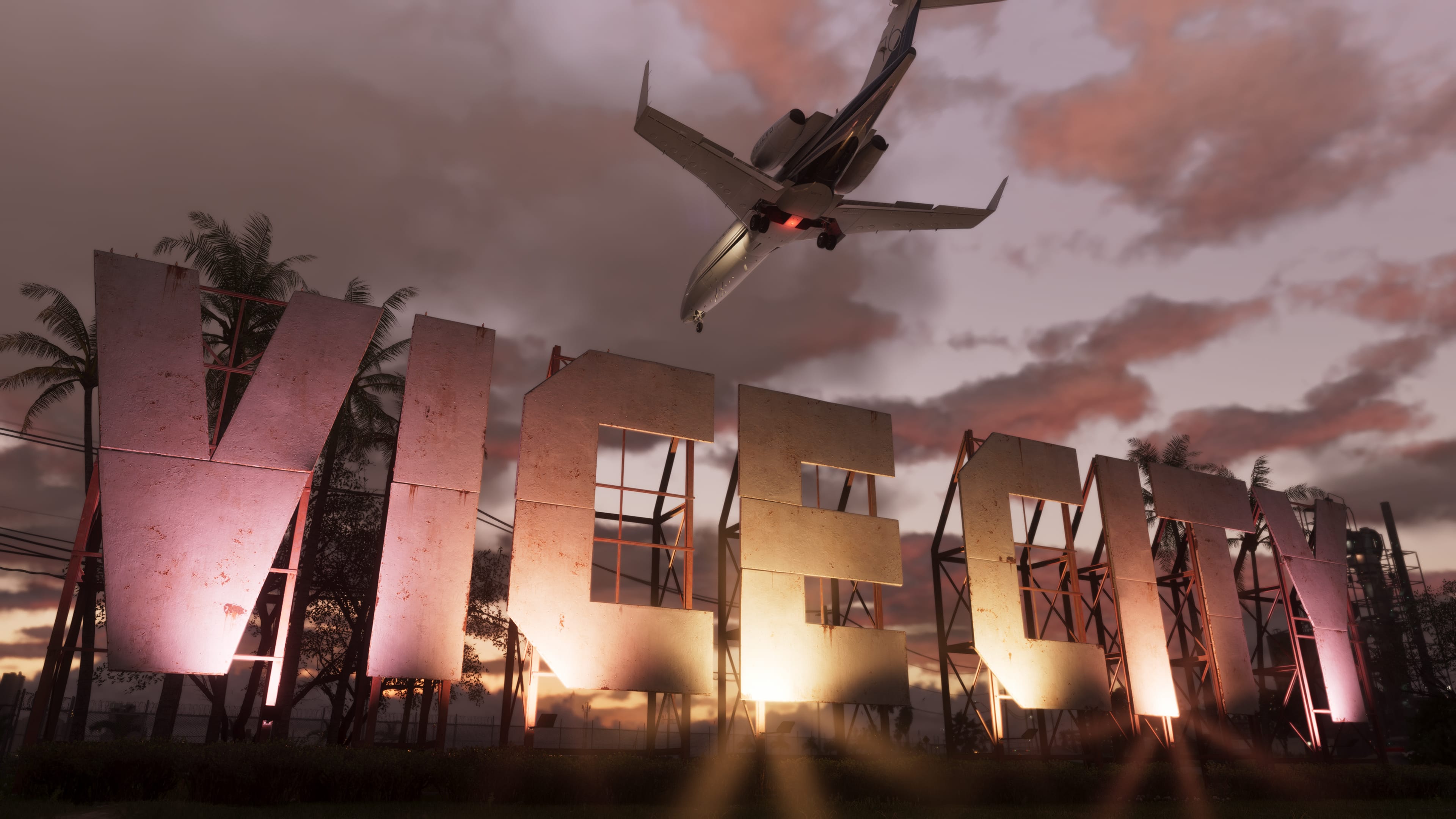
Why Was GTA 6 Delayed? Complete Explanation
Quick Answer: GTA 6 was delayed twice from its original fall 2025 target. The first delay pushed the release to May 26, 2026, and the second delay moved it to November 19, 2026. Rockstar Games cited the need for additional polishing time to meet the studio’s quality standards, a pattern consistent with every major Rockstar release in recent history.
Delays are never easy for fans to accept, especially when the game in question is the most anticipated title of the decade. But understanding why GTA 6 was delayed — and what those delays mean for the final product — helps put the timeline in perspective. This article covers the full delay history, the reasons behind each shift, and why the extra development time is ultimately a positive sign for players.
The Full GTA 6 Delay Timeline
GTA 6’s release date has shifted three times since Rockstar first confirmed the game was in active development. Here is the complete timeline:
Original Target: Fall 2025
When Rockstar officially announced GTA 6 with the first trailer on December 4, 2023, the accompanying press release stated that the game was targeted for a fall 2025 release. This window — somewhere between September and November 2025 — was the first official timeline Rockstar gave the public.
At the time, a fall 2025 launch seemed ambitious but plausible. The trailer had generated unprecedented hype, racking up over 90 million views on YouTube within 24 hours, and fans were eager to believe the wait was almost over. However, industry analysts and insiders had privately expressed skepticism about the fall 2025 window, noting that Rockstar’s internal timelines often shift during the final phases of massive open-world game development.
First Delay: May 26, 2026
In early 2025, Rockstar Games officially announced that GTA 6 would not meet its fall 2025 target. The new release date was set for May 26, 2026. The announcement came through a brief statement from Rockstar, which explained that the development team needed additional time to ensure the game met the creative vision the studio had set for it.
This delay of roughly six to eight months was significant but not unprecedented for a Rockstar title. The statement emphasized that the team was committed to delivering a game that would exceed player expectations, and that rushing to meet an arbitrary deadline was not something the studio was willing to do.
Second Delay: November 19, 2026
Several months after the first delay, Rockstar announced a second shift. The May 26, 2026 date was pushed to November 19, 2026 — a further delay of approximately six months. This announcement came alongside Take-Two Interactive’s financial reporting, where CEO Strauss Zelnick confirmed the new date publicly.
The second delay was attributed to the same overarching reason: Rockstar needed more time to polish the game. The scope of GTA 6 is reportedly far beyond anything the studio has attempted before, with a massive open world, two playable protagonists, a deeply immersive story, and the foundations for what will become GTA Online 2. Ensuring all of these systems work flawlessly at launch requires extensive testing and iteration.
Why Was GTA 6 Delayed? The Real Reasons
While Rockstar’s public statements have been measured and corporate, several concrete factors contributed to the delays. Understanding these reasons provides a clearer picture of why the studio made this decision.
1. Unprecedented Game Scope
GTA 6 is widely reported to be the largest and most ambitious game Rockstar has ever created. The game features a sprawling open-world rendition of Leonida, a fictional state inspired by Florida, with Vice City as its centerpiece. The map is said to be significantly larger and more detailed than GTA 5’s Los Santos, with dynamic weather systems, realistic ecosystems, and an unprecedented level of environmental interactivity.
Building a world of this magnitude — and ensuring it runs smoothly on both PlayStation 5 and Xbox Series X|S — requires enormous amounts of development and optimization time. The scale of the project alone would justify additional months of polish.
2. Dual Protagonist Storyline
GTA 6 features two playable protagonists: Lucia and Jason, a Bonnie-and-Clyde-style couple at the center of the story. This is only the second time Rockstar has used multiple protagonists in a GTA game (after GTA 5’s trio of Michael, Franklin, and Trevor), and the dual-protagonist system in GTA 6 is reportedly far more deeply integrated into the narrative and gameplay than GTA 5’s character switching.
Crafting a compelling story that seamlessly weaves two characters’ perspectives, with branching moments and interactive chemistry between them, is a significant creative and technical challenge that requires careful tuning.
3. GTA Online 2 Foundation
GTA Online became one of the most profitable entertainment products in history, generating billions of dollars in revenue over its lifespan. GTA 6 will launch with a new online multiplayer component — commonly referred to as GTA Online 2 — and Rockstar is building its infrastructure from the ground up to support years of post-launch content.
Getting the online foundation right at launch is critical. The original GTA Online famously suffered from severe technical issues at launch in October 2013, with server outages, lost progress, and broken features that took weeks to resolve. Rockstar is almost certainly determined to avoid repeating that experience with GTA Online 2.
4. Quality Assurance at Massive Scale
Modern AAA games are extraordinarily complex software products. GTA 6 features thousands of interconnected systems — driving mechanics, shooting, NPC behavior, economic systems, weather, day-night cycles, story progression, and more. Testing all of these systems individually and in combination requires massive QA efforts.
A game the size of GTA 6 likely has millions of potential interaction points that could produce bugs or unexpected behavior. The additional development time gives Rockstar’s QA teams more runway to identify and fix issues before players ever encounter them.
5. Avoiding Crunch Culture
In recent years, Rockstar has publicly committed to improving working conditions for its developers following criticism of “crunch culture” during GTA 5 and Red Dead Redemption 2’s development.Giving the team more time to complete the game without resorting to extended overtime is consistent with this commitment. Delays, while frustrating for fans, can be the more ethical choice for the people building the game.
What Strauss Zelnick Has Said
Take-Two Interactive CEO Strauss Zelnick has addressed the GTA 6 delays on multiple occasions during earnings calls and investor presentations. His comments have been consistent:
Quality over deadlines: Zelnick has repeatedly emphasized that Take-Two’s approach is to give Rockstar the time it needs to deliver the best possible product. He has stated that the company’s philosophy is to release games “when they are ready” rather than rushing to meet external timelines.
Financial impact: When asked about the revenue impact of the delays, Zelnick acknowledged that pushing the release date affects Take-Two’s near-term financial projections but argued that the long-term payoff of delivering a superior product far outweighs the short-term cost.
Confidence in the team: Zelnick has expressed full confidence in the Rockstar development team, stating that the studio’s track record speaks for itself and that the additional time will result in a game that exceeds expectations.
No further delays expected: In the most recent earnings calls, Zelnick has confirmed that November 19, 2026 remains the target and that development is on track for that date.
How Does This Compare to GTA 5’s Delays?
GTA 5 itself was delayed multiple times before its eventual release. Understanding the parallel provides useful context:
| Game | Original Target | Final Release | Total Delay |
|---|---|---|---|
| GTA 5 | Spring 2013 | September 17, 2013 | ~6 months |
| GTA 6 | Fall 2025 | November 19, 2026 | ~12-14 months |
GTA 5 was initially announced for a spring 2013 release before being pushed to September 2013. Rockstar explained at the time that the game needed additional polish, particularly for its ambitious three-protagonist system and the massive open world of Los Santos. The delay ultimately resulted in one of the highest-rated and best-selling games of all time.
The GTA 6 delays are longer in total, but the game is also significantly more ambitious. A 12-to-14-month delay for a project of this scale is not unusual by industry standards. Games like The Last of Us Part II, Cyberpunk 2077, and Elden Ring all experienced delays of similar or greater length.
Red Dead Redemption 2’s Delays
Red Dead Redemption 2 is another instructive comparison. Originally announced for fall 2017, the game was first delayed to spring 2018, then delayed again to October 26, 2018 — a total delay of roughly one year. The extra time resulted in a game that received universal critical acclaim, with praise for its world detail, story, and technical achievements. Rockstar clearly views delays as an investment in quality rather than a sign of trouble.
Why Delays Are Actually Positive for Players
It is natural to feel frustrated when a highly anticipated game gets delayed. But history consistently shows that delays benefit the final product. Here is why:
Fewer Bugs at Launch
The most immediate benefit is a more stable, polished game at launch. Games that are rushed to meet deadlines often ship with game-breaking bugs, performance issues, and incomplete features. The additional months of development give Rockstar’s teams time to squash bugs and optimize performance before millions of players start the game on day one.
More Content and Detail
Extra development time does not just go into fixing problems — it also allows developers to add more content, refine existing systems, and pack in additional detail. Open-world games benefit enormously from this kind of iteration, as developers can populate the world with more activities, Easter eggs, and environmental storytelling.
Better Performance
Optimizing a game to run smoothly across two different console platforms is a significant technical challenge. More time for performance testing means better frame rates, fewer crashes, and a smoother experience for players regardless of which console they own.
Higher Overall Quality
At the end of the day, the studios that are willing to delay their games tend to produce higher-quality products. Rockstar’s history bears this out — every major Rockstar title in the past 15 years was delayed at least once, and every one of them went on to achieve critical and commercial success. The studio’s willingness to push back release dates rather than compromise on quality is one of the reasons its games are so consistently excellent.
Impact on Fans and the Gaming Community
The delays have undoubtedly tested the patience of GTA fans, many of whom have been waiting since 2013 for a new entry in the series. Social media reactions to each delay announcement were predictably passionate, with a mix of disappointment, frustration, and resigned acceptance.
However, the broader gaming community has generally been understanding of the delays. The memory of Cyberpunk 2077’s troubled launch in December 2020 — a game that was released before it was ready and suffered massive technical problems as a result — is still fresh in many players’ minds. Most fans would rather wait for a finished product than experience a repeat of that scenario.
Impact on Take-Two Interactive Stock
Take-Two Interactive’s stock price has reflected the market’s reaction to the GTA 6 delays. Each delay announcement caused short-term volatility, with shares dipping as investors adjusted their revenue expectations for the affected fiscal years.
However, analysts have broadly maintained positive long-term outlooks for Take-Two, citing the virtually guaranteed commercial success of GTA 6 whenever it does launch. The game is expected to generate billions of dollars in revenue within its first year, and the delays — while pushing that revenue further into the future — are not expected to diminish the game’s ultimate commercial performance.
Summary
GTA 6 was delayed from fall 2025 to May 2026, then again to November 19, 2026. The reasons are consistent with Rockstar’s long-standing philosophy: the studio prioritizes quality over speed, and the unprecedented scope of GTA 6 demands additional development time. Take-Two CEO Strauss Zelnick has publicly confirmed the November 2026 date and expressed confidence in the development team. While the delays are frustrating for fans, history shows that Rockstar’s delayed games consistently deliver exceptional quality at launch.