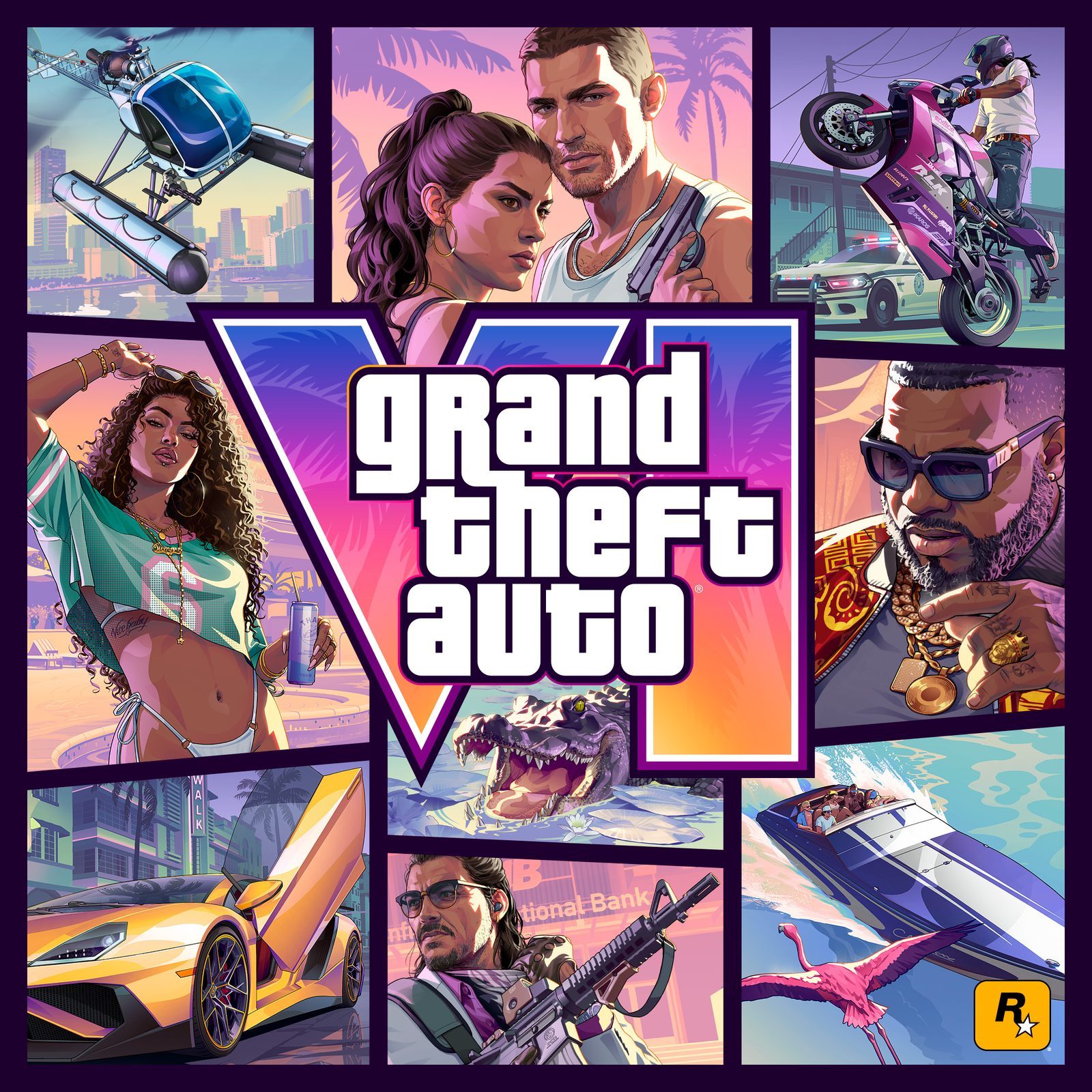
Quick Answer: A rising scam dubbed ‘Build Vice City’ is tricking GTA 6 fans into paying for fake early access, beta invites, or discounted pre-orders. Scammers use sophisticated phishing sites, social media ads, and Discord bots to appear legitimate. No official GTA 6 beta or early-access program exists – any offer is fraudulent. Here’s how the scam works, why it’s so effective, and how to stay safe.
GTA 6 is the most anticipated game in history, and where there’s hype, there are scammers. In recent months, a wave of sophisticated phishing attacks has swept across gaming communities, with fraudsters exploiting the frenzy around Rockstar’s upcoming title. Dubbed the “Build Vice City” scam after one of its more brazen variants, this scheme has already cost victims thousands of dollars and compromised countless accounts. In this article, we break down the anatomy of the scam, compare it to past Rockstar-related frauds, and provide concrete steps to protect yourself.
Main Analysis: How the ‘Build Vice City’ Scam Works
The scam typically unfolds in one of three ways, each leveraging different platforms and psychological triggers.
1. Phishing Websites Mimicking Rockstar’s Official Store
Scammers register domains almost identical to Rockstar’s official site — e.g., rockstargames.beta or gta6-preorder.com — and design them to look exactly like the real thing. They often include fake countdown timers, “Limited Beta Access” banners, and “50% Off Pre-Order” offers. Once a user enters payment details or attempts to log in with their Rockstar Social Club credentials, the information is harvested.
These sites are promoted via Google Ads (malicious ad campaigns), social media sponsored posts, and even direct messages on Discord or Reddit. The Guardian reports that one such site, buildvicecity.com, promised a “closed beta for GTA 6” in exchange for a £20 “verification fee” payable in Bitcoin or gift cards. Victims who paid never received anything and were then pressured for further “upgrades” like a “VIP Pass” for £50.
2. Social Media Impersonation
On Twitter, Instagram, and TikTok, fake accounts posing as Rockstar Games, reputable GTA news sites, or even well-known leakers (e.g., “Tez2”) announce “exclusive access” through a link. Followers are directed to a phishing page or a Discord server where a bot asks for a “registration fee.” One variant targets content creators: a message claiming to be from Rockstar’s partnership team offers a free review copy of GTA 6 in exchange for a “small processing fee” of $45.
3. Fake Game Downloads on Torrent Sites
A more traditional but still widespread scam involves torrent files labeled “GTA6_PC_Build_v1.0.zip.” These files often contain malware — keyloggers, ransomware, or crypto miners. In some cases, the file is a password-protected archive, and the password is provided only after the victim pays $10–$20 via PayPal. The user then ends up with either a corrupted file or a screen full of ads.
Why the Scam Is So Effective
Several factors make this particular scam wave especially dangerous:
- Unprecedented Hype: GTA 6 is arguably the most anticipated game of the decade. The first trailer broke YouTube viewership records, and any mention of “leaked footage” or “beta access” triggers a strong emotional response.
- Lack of Official Communication: Rockstar has said very little beyond the 2025 release window. This information vacuum is fertile ground for scammers to fill with fake announcements.
- Desire for Early Access: As seen with GTA Online, players crave exclusive content. The idea of playing Vice City before everyone else is irresistible to many.
- Cryptocurrency and Gift Cards: Scammers demand untraceable payment methods, making refunds and law enforcement action nearly impossible.
Historical Context: Scams Around Previous Rockstar Releases
This isn’t the first time Rockstar’s fanbase has been targeted, but the scale and sophistication have grown.
GTA V (2013) – The “Early Copy” Scam
Before GTA V’s release, scammers promised early digital copies via fake websites. One notorious scheme involved a site claiming to sell “GTA V Steam Keys” for $30 — half the retail price. Users paid and received nothing. The FBI eventually shut down the ring, but not before thousands lost money. Back then, phishing sites were cruder and easier to spot. Today’s sites use SSL certificates, realistic templates, and even working search bars to trick users.
Red Dead Redemption 2 (2018) – Beta Test Phishing
Ahead of RDR2’s launch, a phishing campaign targeted console players. Emails with the subject “You’ve been selected for the Red Dead Redemption 2 Closed Beta” offered early access in exchange for a “verification fee” of $10. The emails looked identical to official Rockstar newsletters. The scam was eventually publicized by Rockstar’s support account, but not before hundreds of accounts were compromised.
GTA Online (2013–Present) – Shark Card Phishing
Over the years, scammers have sent fake “Shark Card bonuses” emails, linking to phishing pages designed to steal Social Club credentials. Many players lost their accounts, and some even had real money stolen from linked PayPal accounts. Rockstar eventually introduced two-factor authentication, but scams persist.
Key Difference with the Current Wave
What makes the “Build Vice City” scam unique is its use of multiple channels and immediate payment demands. Earlier scams relied mostly on email phishing; today’s scammers use a mix of fake websites, social media ads, Discord bots, and even YouTube live streams showing fake gameplay. The Guardian notes that one YouTube video titled “GTA 6 Beta Gameplay Leak” was actually a loop of old GTA V mods, with a link to a phishing site in the description. The video had 200,000 views before being taken down.
Data Table: Common GTA 6 Scam Types and Red Flags
| Scam Type | Typical Ask | Red Flags | Platform | Estimated Loss (per victim) |
|---|---|---|---|---|
| Phishing website (pre-order) | Pay $20–$50 via Bitcoin or gift card for “discounted pre-order” | URL typos; no HTTPS padlock; poor grammar; asks for password | Fake site | $30–$80 |
| Discord beta invite | Join server; pay $10 “verification fee” via PayPal F&F | Server has no other users; bot sends instant payment link; no Rockstar verification | Discord | $10–$20 |
| YouTube “leak” video | Click link in description; enter credentials | Video loops same clip; low view count; comments disabled | YouTube | Account theft (can lead to real money loss) |
| Social media crypto giveaway | Send 0.01 BTC to receive “5 free copies” | No blue checkmark; generic profile pic; requests crypto | Twitter/Instagram | Hundreds to thousands of dollars |
| Fake torrent download | Download .zip; pay for password | File size is suspiciously small (e.g., 500MB for “GTA 6”); comments warn of malware | Torrent sites | Malware infection, data theft |
What This Means for Players and the GTA Community
Beyond the immediate financial and account theft risks, this scam wave has deeper implications:
1. It Undermines Trust
When players fall for these scams, they become cynical about real news. False leaks and fake beta access blur the line between credible information and manipulation. This skepticism can harm legitimate GTA news sites and analysts who work hard to report facts.
2. It Pressures Rockstar to Communicate More
The information vacuum is largely Rockstar’s fault. By offering little detail about the game — no official pre-order date, no system requirements, no beta program — they leave fans hungry for any scrap. A more transparent communication strategy (e.g., monthly updates on development, clear warnings about scams) could blunt the scammers’ edge.
3. It Highlights the Need for Platform Responsibility
Twitter, Discord, YouTube, and Google Ads all profit from the same user traffic that scammers exploit. These platforms have been slow to remove malicious ads and impersonator accounts. The Guardian’s investigation found that some fake Facebook ads ran for weeks despite being reported. Platforms should adopt more aggressive pre-screening for game-related ads.
4. It Preys on the Young and Vulnerable
GTA’s audience includes many teenagers and young adults who may not have experience with internet scams. Scammers know this and use urgency (“Only 100 keys left!”) to bypass rational thinking. This is not just a monetary crime but a predatory one.
Community Reaction: What Fans Are Saying
Reddit’s r/GTA6 and GTAForums have been buzzing with warnings and horror stories. One thread titled “PSA: Do NOT click any ‘Build Vice City’ links” has over 4,000 upvotes, with users sharing their own experiences:
- u/ButteredToast_99 wrote, “I almost fell for it. The website looked identical to Rockstar’s. Only clued in when they asked for a Bitcoin payment. Stay safe, people.”
- u/SouthFloridaSlim suggested, “We need a pinned megathread with list of known fake sites. Mods, can you do that?” (The subreddit now has a stickied warning.)
- u/LuciaSimp reported, “I lost my main Rockstar account after entering my credentials on a fake site. Support hasn’t replied in a week.”
On GTAForums, veteran user TheGTAExpert posted a detailed analysis of the phishing domain patterns, noting that many registrar details trace back to a single operation in Eastern Europe. Some forum members are organizing a “scam hunter” team to report fake sites en masse.
Over on Twitter, security researcher @GamesFraudWatch has been tracking the scam since January and estimates total losses between $50,000 and $80,000, based on self-reported incidents. He urges players to enable two-factor authentication on all gaming accounts.
Rumors & Unconfirmed Theories
While the scam itself is confirmed, some community discussions have gone further. A popular theory on r/GTA6 suggests that the “Build Vice City” name might have been inadvertently inspired by legitimate Rockstar trademarks. In 2024, Rockstar filed trademark extensions for “Vice City” in Latin America, leading some to believe an in-game VR mode or community map-building tool called “Build Vice City” could be real. However, Rockstar has made no such announcement, and the theory is purely speculative.
Another rumor claims that scammers are using leaked internal Rockstar documents to make their phishing pages more convincing. We’ve seen no evidence of this; the pages use publicly available images (trailer screenshots, concept art).
Note: All above theories are unconfirmed and should not be treated as fact. No official tool, beta, or map editor has been announced for GTA 6.
More GTA 6 Guides
- Release date, price, and pre-order information
- Platforms and system requirements
- Map breakdown: Vice City and Leonida
- Characters: Lucia and Jason
Source: Original Article