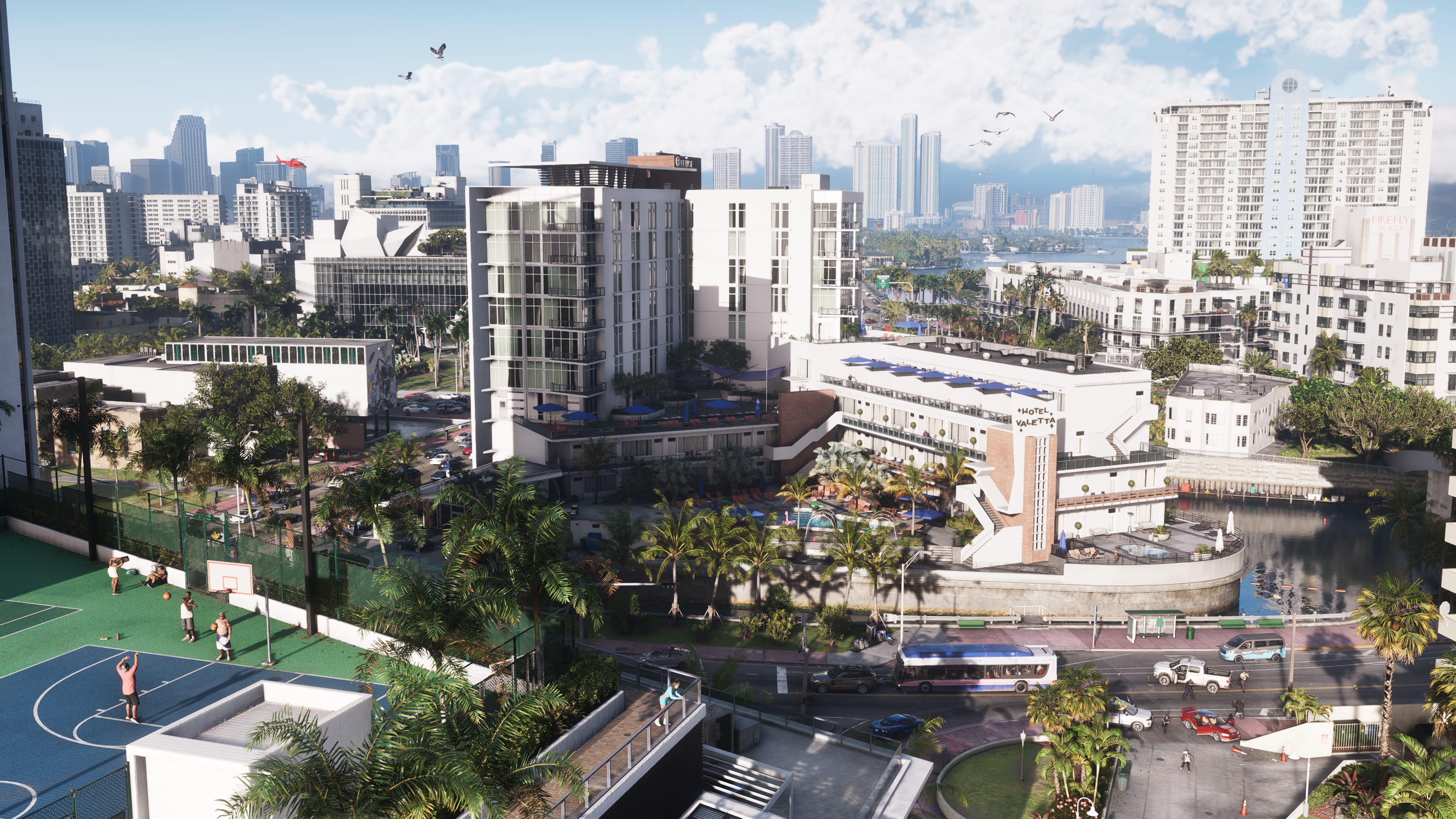
GTA Development Timeline: From GTA 2 to GTA 6 — How Rockstar’s Ambition Grew Over 27 Years
Quick Answer: Rockstar Games has been developing Grand Theft Auto titles for over 27 years, with each mainline entry taking progressively longer to create. From GTA 2’s one-year development cycle (1998–1999) to GTA 6’s rumored 12+ year journey (2014–2026), the series has evolved from a modest top-down arcade game into a hyper-realistic, billion-dollar open-world simulator. The Reddit community is in awe of this transformation, and the November 2026 release date, reaffirmed by Take-Two CEO Strauss Zelnick, marks the end of the longest wait in franchise history.
The Reddit Post That Sparked Perspective
A recent Reddit post on r/GTA6 by user D6niel posed a simple but powerful question: “Did the few Redditors who played GTA 2 back then ever imagine it would become the phenomenon that Red Dead Redemption 2 was, or what GTA 6 looks set to be?” The post, which garnered over 500 upvotes, struck a chord with the community because it frames the sheer scale of Rockstar’s growth in human terms.
Most players today jump into GTA Online or wait impatiently for GTA 6 without appreciating the historical context. GTA 2, released in 1999 for PlayStation and PC, was a top-down, 2D romp with a tiny development team, a modest budget, and only a fraction of the features we now take for granted. Fast forward to GTA 6, and we’re looking at a game built by thousands of developers over more than a decade, with a budget reportedly exceeding $2 billion (including marketing), running on an upgraded RAGE 9 engine, and promising a map 2.5 times larger than GTA V’s Los Santos.
This article breaks down the development timeline from GTA 2 to GTA 6, using specific dates, budget estimates, team sizes, and scope changes to show exactly how Rockstar’s ambition exploded. We’ll also connect this to the recent Strauss Zelnick video where he again confirmed the November 19, 2026 release date, giving fans a solid anchor point after years of speculation.
The Development Timeline: From GTA 2 to GTA 6
GTA 2 (1999) — A One-Year Sprint
GTA 2 was developed by DMA Design (the studio that would later become Rockstar North) in roughly one year. The team size was around 20–30 people. The game featured a top-down 2D perspective, three districts, and a chaotic, arcade-style gameplay loop. Development began in 1998 after the success of the original GTA (1997). The budget was modest – estimated at under $5 million. Despite its simplicity, GTA 2 introduced the series’ signature freedom: you could steal cars, run over pedestrians, and cause mayhem in a sandbox environment.
Key stats for GTA 2:
- Development start: 1998
- Release: October 22, 1999 (Windows), later ports
- Team size: ~25
- Budget: ~$3–5 million
- Map size: ~2 square kilometers (top-down)
- Engine: Custom 2D engine
Players in 1999 couldn’t have imagined a 3D GTA, let alone one with voice actors, cinematic cutscenes, and an online mode with millions of concurrent users. GTA 2 was a cult hit, selling around 1–2 million copies – respectable but far from the mainstream phenomenon the series would become.
GTA III (2001) — The 3D Revolution
GTA III was a massive leap. Development started in 1999 (right after GTA 2 shipped) and took about two years with a team of around 60 people. The move to 3D was risky, but the result was a landmark game that redefined open-world design. The map of Liberty City was small by today’s standards (roughly 2 square miles), but the immersion was unprecedented. The budget grew to around $5–10 million. GTA III sold over 17 million copies, putting Rockstar firmly on the map.
Key stats for GTA III:
- Development start: 1999
- Release: October 22, 2001
- Team size: ~60
- Budget: ~$5–10 million
- Map size: ~2 square miles (3D)
- Engine: RenderWare
GTA: Vice City (2002) & GTA: San Andreas (2004) — Rapid Iteration
Rockstar capitalized on GTA III’s success with yearly releases. Vice City was developed in just 9–10 months, reusing the GTA III engine and many assets. San Andreas took about two years and expanded the map to three cities plus countryside, becoming the largest GTA game of its era. Team sizes grew to 100–150 people. Budgets reached $20–30 million for San Andreas.
GTA IV (2008) — The HD Era Takes Root
Development of GTA IV began in 2004 and took four years. Team size ballooned to over 1,000 people across several Rockstar studios. The budget hit $100 million – a new milestone. The game introduced a serious tone, Euphoria physics, and a detailed Liberty City. It sold 25 million copies. But the four-year gap between San Andreas and GTA IV (2004–2008) was already causing impatience among fans.
GTA V (2013) — The Peak of the ‘Old’ Model
GTA V’s development started in 2008 (immediately after GTA IV) and took five years. The budget skyrocketed to $265 million (including marketing), making it the most expensive game ever at the time. Team size exceeded 1,500 across Rockstar North and other studios. The map (Los Santos and Blaine County) was roughly 30 square miles – almost 10 times larger than GTA IV’s Liberty City. The game launched with a single-player story and GTA Online arrived two weeks later, forever changing Rockstar’s business model.
Red Dead Redemption 2 (2018) — A Detour But a Masterpiece
After GTA V shipped, Rockstar poured resources into Red Dead Redemption 2 rather than immediately jumping into GTA 6. RDR2 took 8 years (development started in 2010, full production began after GTA V launched). The team peaked at around 2,000 people, and the budget exceeded $500 million. RDR2 became Rockstar’s most critically acclaimed game, selling 65 million copies. But it also delayed GTA 6.
GTA 6 (2026) — The Longest Wait
According to multiple credible leaks and reports, GTA 6’s early pre-production began around 2014, shortly after GTA V’s release. Full production started after RDR2 shipped in October 2018. That means the gap between GTA V and GTA 6 is 13 years (2013–2026) – the longest interval in the series. The budget is rumored to be around $1–2 billion (including marketing, which Rockstar considers a 10-year lifecycle for GTA 6 and GTA Online 2). The map is said to be 2.5 times larger than GTA V’s, set in a fictionalized Vice City and surrounding Leonida state.
| Game | Development Start | Release | Dev Time (years) | Team Size (peak) | Estimated Budget (incl. marketing) | Map Size (approx.) |
|---|---|---|---|---|---|---|
| GTA 2 | 1998 | Oct 1999 | 1 | ~25 | $3–5M | 2 km² (top-down) |
| GTA III | 1999 | Oct 2001 | 2 | ~60 | $5–10M | 2 sq mi (3D) |
| Vice City | 2002 | Oct 2002 | <1 | ~80 | $10–15M | 2.5 sq mi |
| San Andreas | 2002–2003 | Oct 2004 | ~2 | ~150 | $20–30M | 14 sq mi (3 cities+country) |
| GTA IV | 2004 | Apr 2008 | 4 | ~1,000 | $100M | 6 sq mi (Liberty City) |
| GTA V | 2008 | Sep 2013 | 5 | ~1,500 | $265M | 30 sq mi |
| RDR2 | 2010 | Oct 2018 | 8 | ~2,000 | $500M+ | 29 sq mi (open world) |
| GTA 6 | 2014 (pre-prod.) | Nov 2026 | 12 (8 full) | ~3,000 (est.) | $1–2B (est.) | 75+ sq mi (2.5x GTA V) |
Table: Development timelines from GTA 2 to GTA 6. Note that RDR2 is included as a major interlude that absorbed Rockstar’s focus.
Why the Gaps Keep Growing
Several factors explain why each GTA takes longer than the last:
- Technological leaps – Each generation requires new engines, new asset pipelines, and more complex simulations. GTA 6 runs on the RAGE 9 engine, which had to be rebuilt for next-gen consoles (PS5, Xbox Series X|S) with ray tracing, advanced AI, and physics.
- Scale of ambition – Rockstar isn’t just making a game; it’s building a living, breathing world with thousands of NPCs, dynamic weather, day/night cycles, and interactive environments. Each detail multiplies production time.
- Quality obsession – Rockstar’s perfectionism, famously documented in the Strauss Zelnick interviews, leads to multiple iterations and crunch. They reportedly scrapped early GTA 6 builds that didn’t meet internal standards.
- Online as a service – GTA Online became a massive revenue source, shifting Rockstar’s priorities. Developing a second-generation online mode (GTA Online 2) adds years to the project.
- Organizational complexity – Rockstar now has dozens of studios worldwide coordinating on one game. Communication and integration take years longer than when a single 25-person team built GTA 2.
Historical Context: How GTA V’s Success Changed Everything
GTA V’s longevity is unprecedented. It has sold over 200 million copies and generated $8.5 billion in revenue for Take-Two. That success came at a cost: Rockstar had little incentive to rush a sequel. Instead, they released GTA V on three console generations (PS3, PS4, PS5) and constantly updated GTA Online. The community grew impatient, but the financial results were undeniable. GTA 6 had to be a game good enough to replace the cash cow – a daunting bar that explains the long development.
Compare this to GTA III’s era: after GTA III (2001), Rockstar released Vice City (2002), San Andreas (2004), Liberty City Stories (2005), Vice City Stories (2006), GTA IV (2008), and episodes – a flood of content. The difference is the shift from single-player to online-as-a-service model. GTA Online tied Rockstar’s hands: they couldn’t release a new GTA until they had a plan to transfer or rebuild the online community. GTA 6’s online mode is expected to be a separate product, GTA Online 2, but it still means the base game must launch with a fully featured online ecosystem from day one.
What the Strauss Zelnick Confirmation Means for the Timeline
Just days before this Reddit post gained traction, a TikTok interview with Take-Two CEO Strauss Zelnick appeared. In it, Zelnick once again reiterated that GTA 6 is launching on November 19, 2026. He also gave business advice, but the key takeaway for fans is that the date hasn’t slipped. This is the first time in years that Rockstar has been so consistent with a release date. For context, GTA V was delayed from spring 2013 to September 2013. RDR2 was delayed multiple times from 2017 to 2018. Yet Zelnick’s repeated public statements – and the fact that Rockstar hasn’t pushed back – suggest that the November 2026 date is more solid than past targets.
The Reddit user who posted the timeline noted that Zelnick’s video seemed deliberate rather than accidental, hinting at an unofficial marketing campaign. Whether or not that’s true, the combined effect of the timeline post and the CEO’s reaffirmation gives the community a sense of certainty after years of speculation.
What This Means for Players
For fans who have been waiting since GTA V’s 2013 release, the 13-year gap is both frustrating and exciting. On the positive side:
- The technology will be cutting-edge. GTA 6 is likely to set a new visual and gameplay benchmark.
- Rockstar has had time to craft a deep narrative. Lucia and Jason are rumored to be a Bonnie-and-Clyde duo, a first for the series.
- The map is massive, offering countless hours of exploration.
- GTA Online 2 promises to learn from the mistakes of GTA Online (e.g., grind, pay-to-win) and deliver a more balanced experience.
On the negative side:
- The long wait has raised expectations to almost impossible levels. No game can please everyone.
- Rockstar’s culture of crunch remains a concern; reports suggest some employees are working under intense pressure.
- PC players face an additional wait – Rockstar typically releases on consoles first, with PC coming later (GTA V’s PC port arrived 18 months after console).
The development timeline also reveals that Rockstar is basically a two-game franchise at this point: GTA and Red Dead. They can’t release new entries quickly because each one is a multi-year, multi-studio behemoth. The days of annual GTA releases are long gone, and fans will have to accept 10+ year gaps between mainline titles.
Community Reaction
The r/GTA6 subreddit exploded in response to the timeline post. Top comments include:
- “I remember playing GTA 2 on my friend’s PC with a black and white monitor. Never in my wildest dreams did I think we’d be here.” (1.2k upvotes)
- “The fact that GTA 6 will be 27 years after GTA 2 is insane. That’s almost a full generation of gamers.”
- “People who complain about the delay don’t understand how much work goes into these games. Just look at that table.”
- “Zelnick saying the date again is huge. If they delay now, they lose all credibility.”
Some users expressed concern about overwork and note that Rockstar should take as long as needed. Others joked about how old they’ll be by the time GTA 7 comes out: “I’ll be 50 when GTA 7 launches.”
A smaller group pointed out that the timeline table doesn’t include Rockstar’s other major franchises (Red Dead, Max Payne, L.A. Noire) which also consumed resources. The general sentiment is one of awe at the scale of what Rockstar has built over nearly three decades.
Rumors & Unconfirmed Theories
Several rumors surround GTA 6’s development that tie into this timeline discussion:
- Scrapped build: Insiders claim Rockstar scrapped an early version of GTA 6 around 2018 because it didn’t feel fresh enough. If true, that would push the start of full production to 2019 or later, further explaining the long gap.
- Two cities on launch: Some leaks suggest the launch map includes Vice City and a second major city (possibly based on Atlanta or Mexico). This would require even more dev time. Unconfirmed.
- GTA Online 2 will launch alongside: Industry analyst Michael Pachter (often unreliable) predicted that GTA Online 2 will be a separate purchase. Rockstar hasn’t confirmed this, but given GTA V’s online success, it’s plausible.
- PC release in 2027: Many Redditors assume the PC version will follow 12–18 months after console. Rockstar has made no official statement, but history (GTA V, RDR2) supports this pattern.
Note: All of the above are unconfirmed leaks or community speculation. Rockstar has only officially stated the November 19, 2026 console release date.
More GTA 6 Guides
Source: Original Article